Saturday, September 20, 2025

Sizing it Right: A Guide to Selecting the Optimal Coriolis Meter Size for Your Line

When it comes to precise fluid measurement in industrial applications, few instruments match the performance of a Coriolis flow meter. These devices are known for their ability to directly measure mass flow, density, and temperature with high accuracy . But even the most advanced meter can underperform if it's not properly sized for your pipeline. Getting the size right is critical—not just for accuracy, but also for system efficiency and long-term reliability .

One of the first things to consider is how closely the meter size matches your existing pipeline dimensions. A mismatch can lead to problems like reduced measurement accuracy or excessive pressure drop across the system . For example, installing an oversized meter in a small-diameter line may result in low flow velocities, which can degrade signal quality and compromise readings. On the other hand, an undersized meter could restrict flow and increase wear over time.

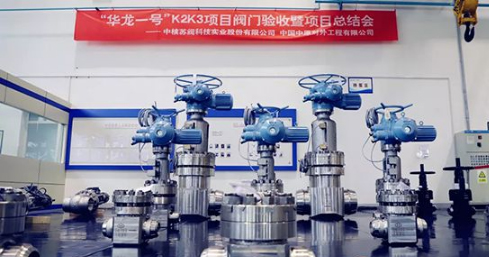
三通换向阀

Beyond physical fit, you also need to evaluate your application's flow rate requirements. Every Coriolis meter has a specified range—both minimum and maximum—within which it performs optimally . If your process operates mostly at the lower end of that range, you might not get reliable data. That's why understanding your typical and peak flow rates is essential before selecting a model.

For specialized environments like pilot plants, where space and precision are both limited, compact yet accurate solutions become vital. In such cases, standard industrial meters may be too bulky and heavy, requiring larger skids and more support infrastructure . The Bronkhorst Coriolis MI-series, for instance, was designed specifically for these challenges—offering high accuracy in a small footprint, along with robust construction and integrated control features .

Material compatibility and environmental conditions also play a role in sizing decisions. High temperatures, corrosive fluids, or explosive atmospheres may require specific housing materials or certifications, which can influence the available size options . Always verify that the meter can handle your process conditions without sacrificing performance.

If you're working with complex fluids—like slurries, viscous chemicals, or multiphase mixtures—proper sizing becomes even more crucial. These fluids often demand higher drive energy and stable flow dynamics, both of which depend on correct meter-to-pipe alignment . Choosing the wrong size could lead to vibration issues or inaccurate density readings.

For those looking for reliable German-engineered solutions, consider exploring coriolis durchflussmesser options tailored for precision applications. Additionally, if your setup requires not just measurement but active control, a coriolis mass flow controller might be the ideal choice—combining real-time feedback with automated regulation.

Ultimately, selecting the right Coriolis meter size isn't just about matching pipe diameters—it's about aligning the entire system for optimal performance. Take the time to assess your flow profile, installation constraints, and operational goals. With the right fit, you'll ensure years of dependable, accurate measurements.

Sunday, August 24, 2025

Why Ultrasonic Flow Meters Are the Silent Heroes of Industrial Efficiency

In modern industrial operations, accurate flow measurement is essential. Whether it's oil, gas, or water, knowing exactly how much fluid is moving through a system can save energy, reduce waste, and improve safety. Among the various flow measurement technologies available, ultrasonic flow meters stand out for their non-invasive design, high accuracy, and low maintenance needs. Unlike traditional mechanical meters that rely on moving parts, ultrasonic meters use sound waves to measure flow velocity—making them durable and highly reliable over time .

These devices work by sending ultrasonic pulses through the fluid in both the direction of flow and against it. The difference in transit time between the two pulses is used to calculate the flow rate. Because they clamp onto the outside of a pipe, there's no need to cut into the system or stop operations for installation. This feature makes them ideal for applications where downtime is costly or where contamination must be avoided .

日照艾迪尔流体设备有限公司

One real-world example comes from a large petrochemical plant that switched from mechanical to ultrasonic flow meters for monitoring crude oil pipelines. They reported a 30% reduction in maintenance costs and improved measurement accuracy by over 98%. The ability to monitor flow without disrupting production was a game-changer. For similar applications involving oil, specialized devices like Yağ Akış Ölçerler offer tailored solutions in Turkish markets, ensuring compatibility with local standards and fluid types .

Ultrasonic meters also excel in clean liquid applications such as water treatment and chemical processing. Their digital output integrates easily with SCADA systems, allowing for real-time monitoring and data logging. In contrast to Coriolis flow meters, which are excellent for mass flow measurement but often more expensive and bulky, ultrasonic models provide a cost-effective alternative when volumetric flow is sufficient . For those needing extreme precision in mass flow, especially in laboratory or semiconductor manufacturing settings, coriolis flow meters remain the gold standard.

When it comes to gas flow, ultrasonic technology has made significant strides. Modern gas flow meters can now detect low flow rates with high repeatability, making them suitable for natural gas distribution and custody transfer. Additionally, when precise control—not just measurement—is required, a gas mass flow controller pairs well with ultrasonic sensing to regulate gas delivery in real time .

What truly sets ultrasonic flow meters apart is their versatility. They can handle a wide range of pipe sizes, fluid types, and temperatures without recalibration. With no parts in contact with the fluid, there's little risk of wear or clogging—especially important in wastewater or slurried media. As industries move toward smarter, more connected systems, ultrasonic meters are becoming a foundational component of predictive maintenance and energy efficiency programs .

In summary, ultrasonic flow meters may not always be in the spotlight, but they play a critical role behind the scenes. From oil pipelines to gas distribution networks, they deliver reliable data with minimal intervention. As industrial automation grows, so will the demand for smart, silent, and efficient flow solutions—proving once again that sometimes, the quiet ones do the most work .

Friday, August 8, 2025

Non-Invasive Water Flow Meters: Benefits and Best Practices for Water Management

Water is one of the most valuable resources on Earth. Managing it efficiently is no longer optional—it's essential. In industries ranging from manufacturing to agriculture, accurate water flow measurement plays a key role in conservation, cost reduction, and regulatory compliance. One of the most effective tools for achieving this is the non-invasive water flow meter. These devices measure flow without requiring any physical contact with the fluid or any modification to the pipe system .

Non-invasive flow meters, often referred to as clamp-on ultrasonic flow meters, work by attaching sensors to the outside of a pipe. They use ultrasonic waves to measure the velocity of water as it moves through the pipe. This method eliminates the need for cutting into pipes or stopping operations for installation . Because there's no direct contact with the fluid, these meters are ideal for clean water, wastewater, and even aggressive chemicals.

One of the biggest advantages of non-invasive meters is their low maintenance. With no moving parts and no penetration into the pipeline, there's little risk of wear, clogging, or leaks . This makes them especially useful in hard-to-reach areas or in systems where downtime is costly. They can be installed in minutes and provide reliable data for long-term monitoring.

Another benefit is versatility. While designed primarily for water, many non-invasive meters can also be calibrated for other liquids. For example, in industrial settings where precise measurement of fuel or chemicals is needed, similar principles apply. For diesel monitoring, a dedicated diesel flow meter can offer high accuracy and durability in harsh environments. These meters help prevent overuse and detect leaks early, saving both money and resources .

When it comes to gas flow measurement, technologies differ, but the goal remains the same—accuracy without disruption. Devices like gas flow meters are essential in energy management and emissions control. While they operate under different principles than liquid meters, the trend toward non-intrusive, digital monitoring is clear across all media types .

For applications requiring extreme precision, especially in chemical or pharmaceutical processes, a coriolis mass flow controller offers unmatched accuracy. Unlike volumetric meters, Coriolis meters measure mass flow directly, making them immune to changes in temperature, pressure, or fluid density. This level of control is critical when even small deviations can impact product quality or safety .

Best practices for using non-invasive water flow meters include proper sensor placement, regular calibration checks, and ensuring good pipe condition. The surface where sensors are mounted must be clean and smooth to allow optimal ultrasonic transmission. It's also important to select the right meter for the pipe material, diameter, and fluid type .

Data integration is another key factor. Modern flow meters often come with digital outputs and can connect to SCADA systems or cloud platforms. This enables real-time monitoring, automated alerts, and trend analysis—helping facility managers make informed decisions quickly .

In conclusion, non-invasive water flow meters are a smart investment for any organization serious about water management. They offer accuracy, ease of installation, and long-term reliability. When combined with advanced tools like Coriolis controllers or gas flow meters, they form part of a comprehensive strategy for resource efficiency .

Saturday, August 2, 2025

From Pipelines to Power Plants: The Role of Advanced Fuel Flow Meters in Modern Energy Systems

In today's fast-evolving energy landscape, precision and efficiency are more critical than ever. Whether it's natural gas flowing through pipelines or liquid fuels powering industrial turbines, accurate measurement of fuel delivery is essential. This is where advanced fuel flow meters come into play. These devices ensure that energy systems operate at peak performance by providing real-time, reliable data on fuel consumption and distribution .

One of the most widely used technologies in gas flow measurement is the thermal mass flow meter. Unlike traditional volumetric meters, thermal mass flow meters measure the mass flow rate of gases directly, eliminating the need for pressure and temperature compensation. This makes them ideal for applications in natural gas distribution, biogas processing, and flare gas monitoring. The insertion explosion-proof thermal mass flow meter MT211X-Ex, for example, is designed for hazardous environments and delivers high accuracy even under fluctuating flow conditions . You can learn more about this device here.

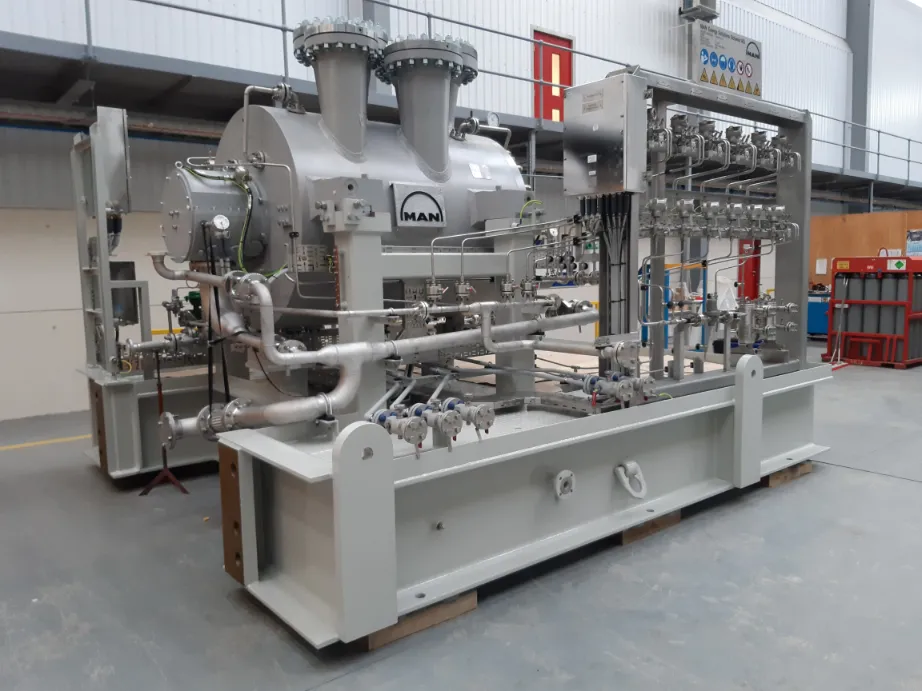
Compressor Packages

When it comes to liquid fuels like diesel, crude oil, or refined hydrocarbons, positive displacement (PD) flow meters offer unmatched accuracy. Among these, the birotor positive displacement flow meter stands out due to its robust design and ability to handle high-viscosity fluids with minimal pressure drop. The MTDp-ABR series, for instance, uses two synchronized rotors to precisely measure fuel volume, making it a top choice for custody transfer and fuel blending operations . Its durability and long service life reduce maintenance costs and downtime in critical energy infrastructure. Explore the full specifications here.

In power generation plants, fuel flow meters do more than just measure—they enable optimization. By integrating flow data with control systems, operators can fine-tune combustion processes, reduce emissions, and improve thermal efficiency. For example, in combined cycle power plants, even a 1% improvement in fuel measurement accuracy can lead to significant cost savings over time .

Moreover, as the world shifts toward cleaner energy and carbon neutrality, accurate fuel metering supports compliance with environmental regulations. Flow data is often required for emissions reporting, energy audits, and carbon credit calculations. Advanced meters with digital outputs and communication protocols like Modbus or HART make it easier to integrate into SCADA and IoT-enabled monitoring platforms .

Looking ahead, the role of fuel flow meters will only grow. From hydrogen pipelines to biofuel processing, next-generation energy systems demand sensors that are not only accurate but also adaptable and smart. Investing in advanced metering technology today prepares energy operators for the challenges of tomorrow .

Thursday, July 31, 2025

Fuel Flow Meter Essentials: Choosing the Right Technology for Industrial Efficiency

In industrial operations, accurate fuel flow measurement is critical for optimizing energy consumption, reducing costs, and ensuring compliance with environmental regulations. Selecting the appropriate flow meter technology can significantly impact system efficiency, reliability, and long-term performance. This article explores key considerations for choosing the right fuel flow meter and highlights the advantages of various technologies.

Why Accurate Fuel Flow Measurement Matters

Fuel flow meters are indispensable in sectors like oil and gas, power generation, and chemical processing. They enable precise monitoring of fuel usage, which is vital for process control, billing accuracy, and resource management. For instance, in water treatment plants, flow meters detect leakage and ensure efficient distribution . Similarly, in the petrochemical industry, ultrasonic flow meters are used for hydrocarbon measurement to maintain safety and billing precision .

Key Technologies for Fuel Flow Measurement

1. Variable Area Flow Meters (VAFMs)

Variable Area Flow Meters, or Rotameters, are widely used for their simplicity and direct flow visualization. They operate via a tapered tube and a float that rises with flow velocity, providing a mechanical indication of flow rate . These meters are cost-effective for small-scale applications but require clean, non-corrosive fluids to avoid clogging or float visibility issues .

2. Ultrasonic Flow Meters

Ultrasonic flow meters use sound waves to measure flow without direct contact with the fluid. Their non-invasive design reduces wear and maintenance, making them ideal for harsh environments. For example, in the food and beverage industry, ultrasonic meters ensure consistent quality by accurately tracking ingredient flows . They excel in measuring hydrocarbons, water, and chemicals but may struggle with fluids containing bubbles or particles .
Ultrasonic Flow meters 2

3. Positive Displacement Flow Meters

Positive displacement meters are best suited for high-viscosity fluids like heavy oils or fuels. They measure flow by dividing the fluid into discrete volumes and counting them. However, they require careful installation to avoid damage from dirt or gas bubbles, which can cause bearing wear or inaccurate readings . For more details on their design and application, refer to positive displacement flow meter.
Stainless steel oval gear positive displacement flow meter MT-LC

4. Differential Pressure Flow Meters

These meters rely on pressure differences created by a constriction (e.g., orifice plates, Venturi tubes, or pitot tubes) to infer flow rates. They are simple and affordable but may introduce pressure loss in the system. A pitot tube flow meter is a common example used in HVAC and water treatment for steam or air flow monitoring .

5. Coriolis Flow Meters

Coriolis meters measure mass flow directly, offering unmatched accuracy for fuels and chemicals. They are resistant to changes in fluid properties but come at a higher cost. Their versatility makes them a top choice for custody transfer and process optimization .

Factors to Consider When Choosing a Fuel Flow Meter

  • Fluid Properties: Viscosity, temperature, and presence of impurities or bubbles are critical. For instance, ultrasonic meters are unsuitable for fluids with high particulate content .
  • Accuracy Requirements: High-precision applications (e.g., billing) demand technologies like Coriolis or ultrasonic meters .
  • Installation Constraints: Non-intrusive options like ultrasonic meters are preferred for retrofitting existing pipelines .
  • Cost and Maintenance: Variable area meters are low-cost but may require frequent cleaning, while Coriolis meters have higher upfront costs but minimal maintenance .

Applications and Industry-Specific Needs

Fuel flow meters are deployed in diverse industries:
- Oil & Gas: Custody transfer, pipeline monitoring, and flare gas measurement .
- Power Generation: Feedwater and cooling water flow tracking .
- Chemical Processing: Reactant flow control and end-product batching .

For industries handling sanitary or corrosive fluids, Débitmètres à déplacement positif (Positive Displacement Meters) are often chosen for their robust construction and compatibility with such environments .

Conclusion

Choosing the right fuel flow meter involves balancing accuracy, cost, and operational requirements. Technologies like ultrasonic and Coriolis meters offer advanced capabilities, while traditional options like VAFMs and positive displacement meters remain reliable for specific use cases. Always evaluate fluid characteristics, system constraints, and long-term maintenance needs before making a decision.

For further reading on flow meter technologies and their applications, explore the resources provided by industry experts.

Sunday, July 20, 2025

Choosing the Right Gas Flow Meter: Key Considerations for Oil & Gas Applications

In the oil and gas industry, precise flow measurement is critical for process optimization, safety, and compliance. Selecting the appropriate gas flow meter requires a thorough understanding of application-specific requirements, fluid properties, and environmental conditions. Below are the key factors to consider when making this decision.
how to choose gas flow meter 2


1. Understand Fluid Properties

The characteristics of the gas being measured significantly influence the choice of flow meter. For example:
- Coriolis Flow Meters excel at measuring mass flow directly, making them ideal for custody transfer of hydrocarbons or natural gas. They handle varying fluid properties with high accuracy but may face challenges with high-viscosity fluids or "U"-shaped tube designs that increase pressure drop .
- Thermal Flow Meters are well-suited for clean gases like air, nitrogen, or industrial gases. However, they struggle with gases of unknown or fluctuating composition, such as hydrogen-bearing off-gases, which can distort measurements .
- Differential Pressure Meters are versatile but require careful consideration of fluid density and viscosity. They are widely used in oil and gas pipelines, flare gas monitoring, and transmission systems .

For applications demanding mass flow control, a gas mass flow controller might be necessary to ensure precise regulation.


2. Define Accuracy and Reliability Needs

Accuracy requirements vary depending on the application. For instance:
- Ultrasonic Flow Meters offer non-intrusive, high-accuracy measurements, making them suitable for custody transfer and leak detection in petrochemical pipelines .
- Turbine Flow Meters provide high accuracy for custody transfer of hydrocarbons but require lubricating fluids to prevent bearing wear. Non-lubricating gases can lead to premature failure .
- Variable Area Flow Meters (Rotameters) are cost-effective for local indication of small gas flows but are unsuitable for dirty or opaque fluids that block the float's visibility .

Reliability is equally important, especially in harsh environments. Coriolis meters are known for low maintenance, while positive displacement meters may require frequent servicing if used with abrasive fluids .


3. Evaluate Environmental and Installation Constraints

Environmental factors such as temperature, pressure, and exposure to corrosive substances must align with the meter's specifications. For example:
- Thermal Flow Meters operate best within a limited temperature range (e.g., up to 60°C) and cannot measure steam effectively .
- Vortex Shedding Meters may become nonlinear at low Reynolds numbers, affecting accuracy in small-diameter pipes .
- Differential Pressure Meters need sufficient straight pipe runs upstream and downstream to avoid flow profile distortions .

Installation constraints like pipe size, space limitations, and material compatibility also play a role. Inline meters may require compact designs for tight spaces, while large-diameter pipelines might use insertion models .
flow meters for Oil & Gas Applications


4. Consider Cost and Long-Term Value

Initial cost is a factor, but long-term value often depends on maintenance and performance.
- Coriolis Meters have a higher upfront cost but reduce long-term expenses due to their durability and minimal calibration needs .
- Differential Pressure Meters are affordable and reliable for diverse applications, though their accuracy may degrade over time without proper upkeep .
- Propeller Meters are cost-effective for large-diameter pipelines but require robust foundations for stability .

For fuel oil measurement, a fuel oil flow meter is often the preferred solution, combining affordability with precision.


5. Match Technology to Application Type

Different technologies suit distinct scenarios:
- Custody Transfer: Coriolis or turbine meters are preferred for their high accuracy and compliance with industry standards .
- Sanitary or Corrosive Environments: Variable area or ultrasonic meters are better suited due to non-contact measurement and corrosion-resistant materials .
- Low-Pressure Gases: Thermal meters are effective for low-pressure applications, such as emissions monitoring .


Conclusion

Selecting the right gas flow meter for oil and gas applications involves balancing fluid properties, accuracy needs, environmental conditions, and cost. By evaluating these factors and leveraging the strengths of technologies like Coriolis, ultrasonic, or thermal meters, industries can ensure efficient operations and compliance. For specialized needs, such as mass flow control or fuel oil measurement, dedicated solutions like gas mass flow controllers or fuel oil flow meters provide tailored performance.

Sizing it Right: A Guide to Selecting the Optimal Coriolis Meter Size for Your Line

When it comes to precise fluid measurement in industrial applications, few instruments match the performance of a Coriolis flow meter. These...